No intrinsic moral legitimacy
The State possesses no moral authority merely by existing or by exercising power
THE THEORY OF MINIMAL TOLERANCE
The burden of proof belongs to power
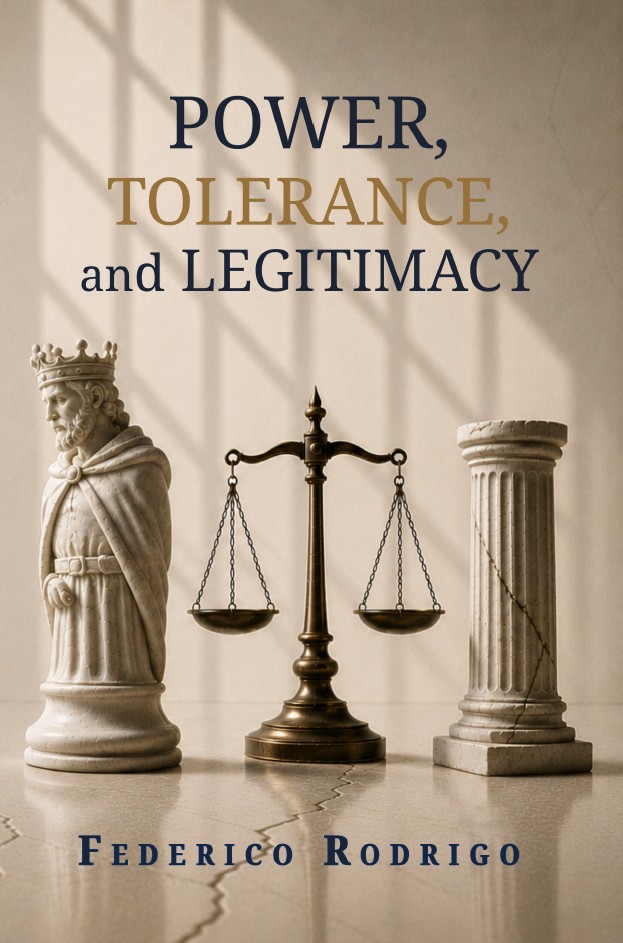
THE BOOK
Political debates often revolve around the use of power. Some call for more intervention, others for less. Rarely is there a clear criterion for determining when the exercise of that power can be tolerated
The Theory of Minimal Tolerance reverses the burden of proof
What must be demonstrated before anyone can impose their will on another?
THE CENTRAL QUESTIONS
What limits government power? • Do public goods or the free-rider problem justify coercion? • When can coercion be tolerated without becoming legitimate?
THE THEORY
The State possesses no moral authority merely by existing or by exercising power
Governments face unavoidable limits of information, economic calculation, incentives, and error correction that no concentration of power can eliminate
Liberty is the baseline. Coercion bears the burden of proof
THE CRITERION
THE PAPERS
Papers exploring Minimal Tolerance and the limits of state power